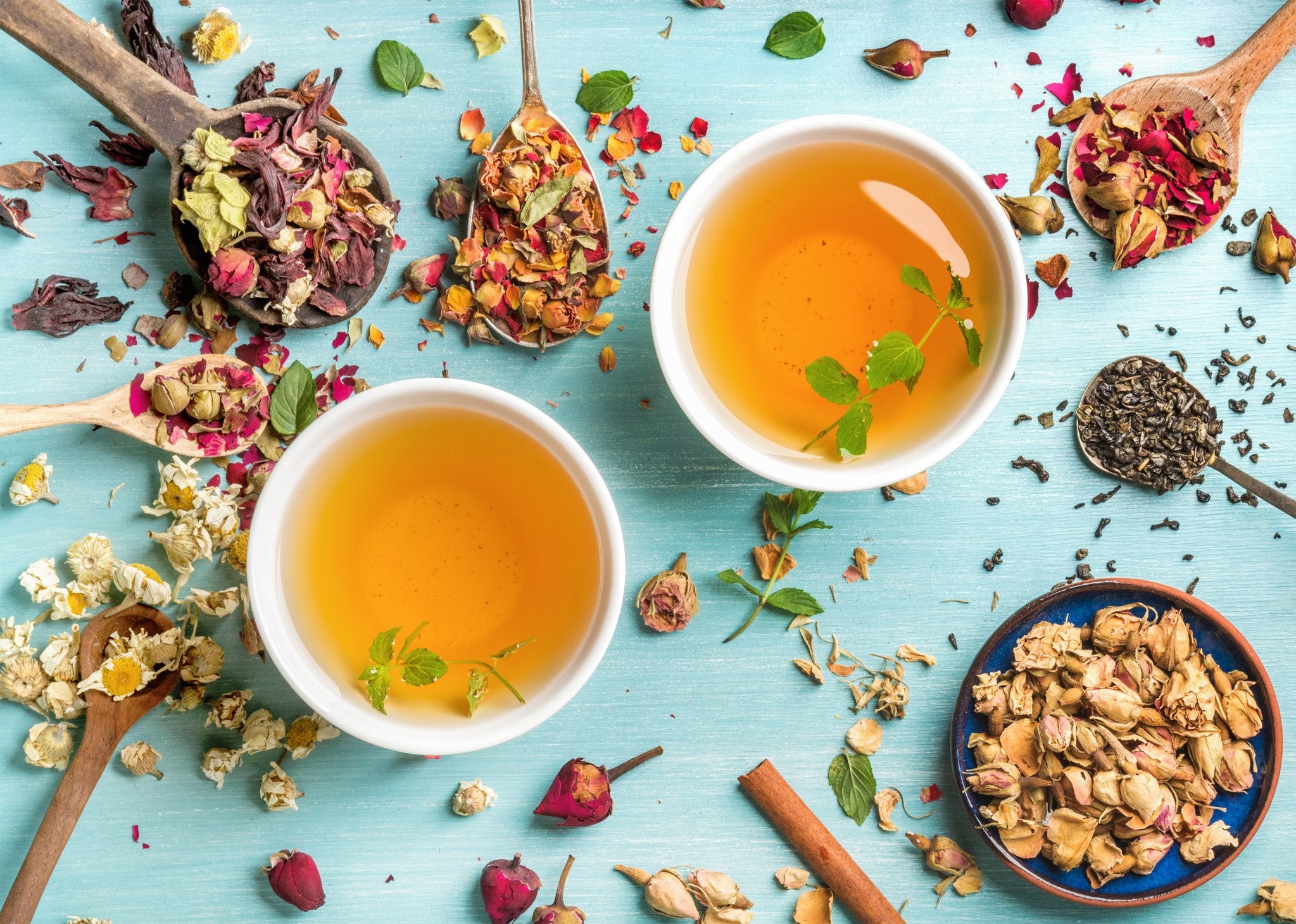
Discover a World of Flavour with Our Organic Herbal & Fruit Blends.
Discover a World of Flavour with Our Organic Herbal & Fruit Blends.







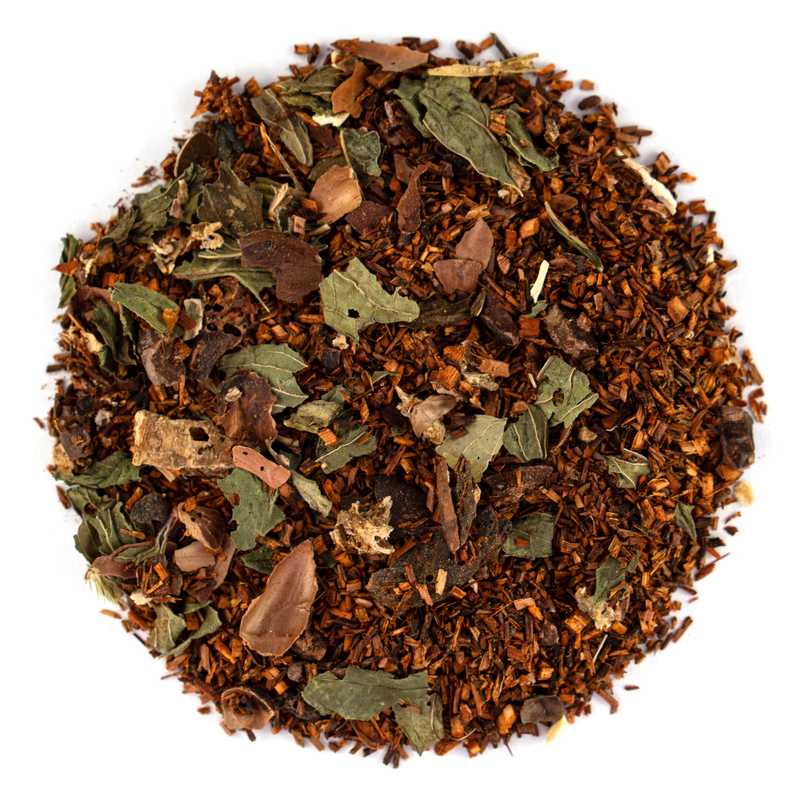
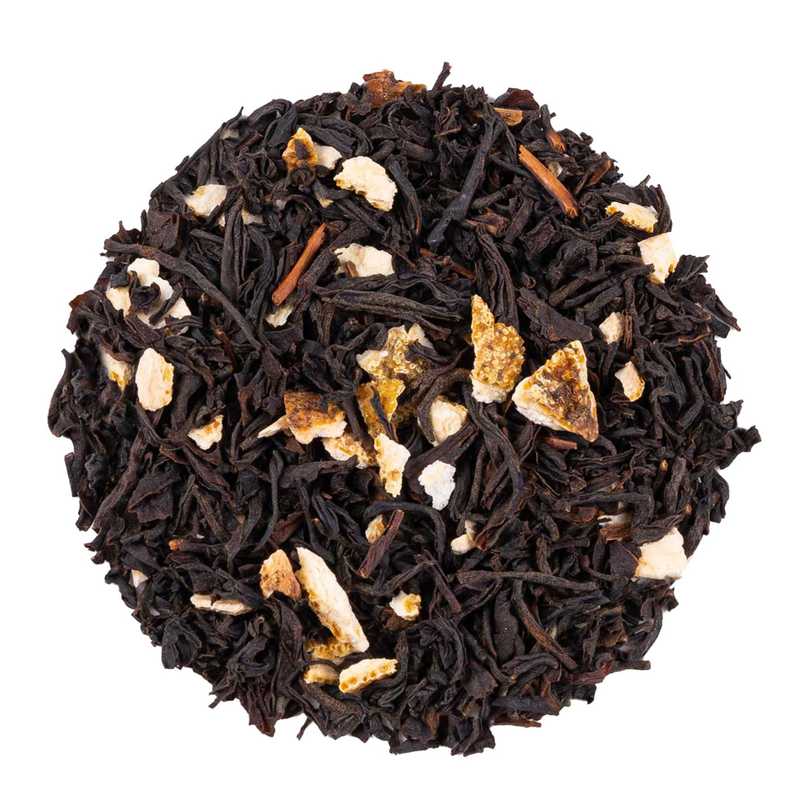
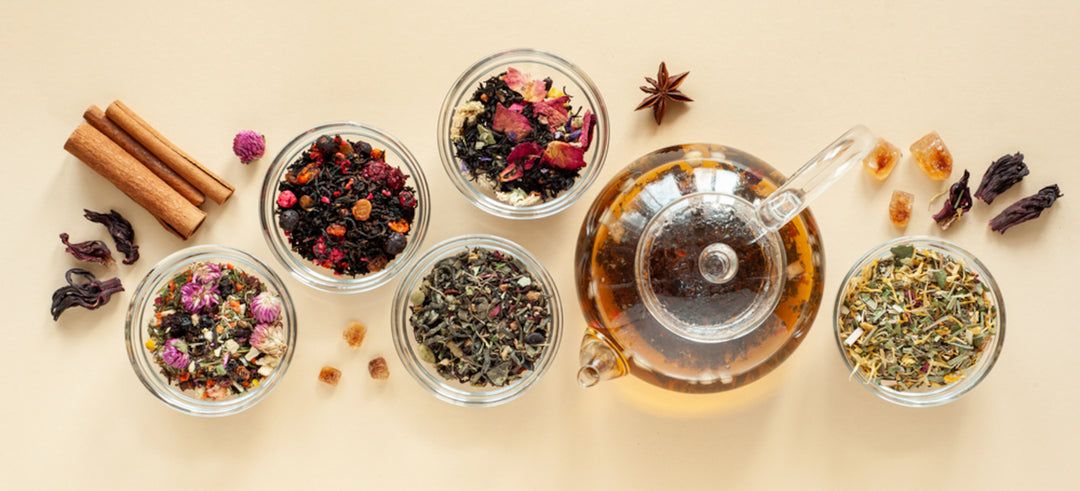
Brew your way to a healthier you with our Organic Wellness Collection



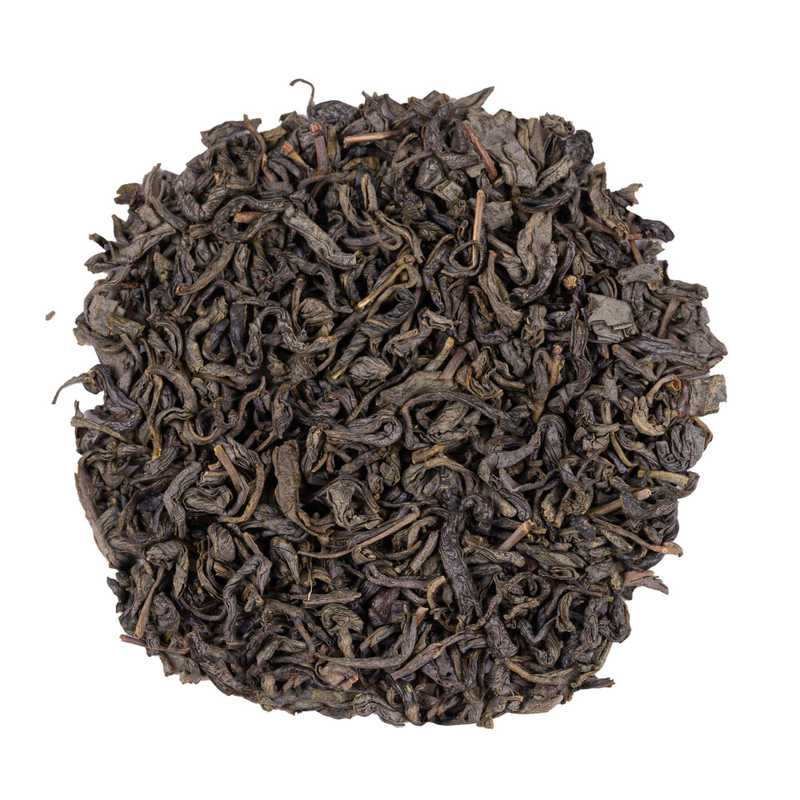
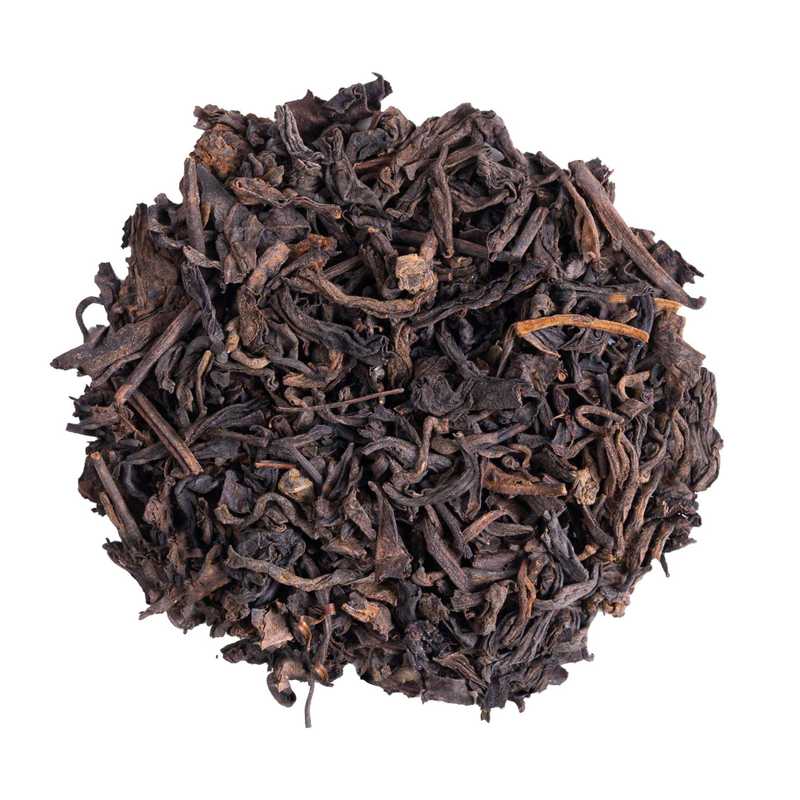
Taste like a good quality tea,smooth,not too sharp like pu-erh I've had before.I would recomend it,love it.
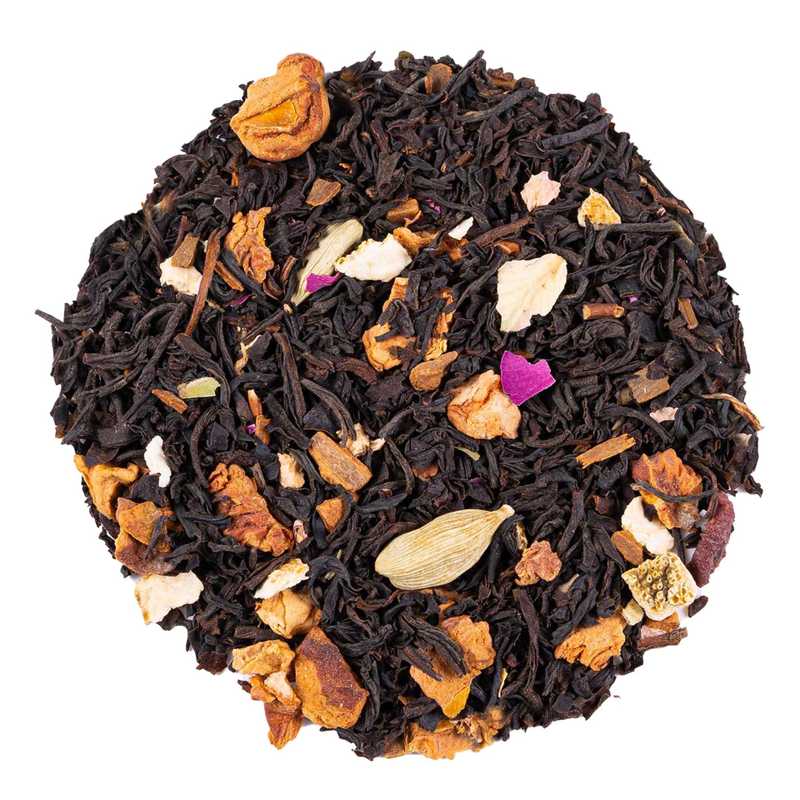
This is top notch tea so much better than the tea bags I was used to. Has all the taste with the subtle smoky notes that are what makes this tea so comforting. Makes a really rich coloured mug of tea . Definitely one to try if you haven’t tried the black tea range!
This is the king of tea! A lovely rich golden brew which tastes of pure luxury I think this may just be my new favourite as it is so full bodied and really delicious!
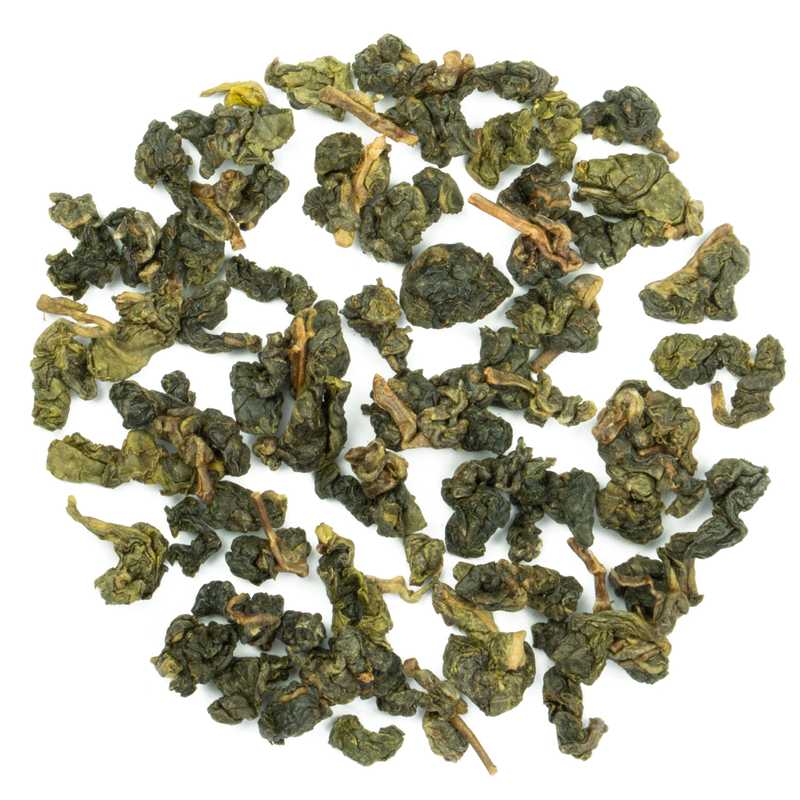
This is a lovely tea for the afternoons when you need a little boost as it tastes super healthy! Like a green tea with a tasty twist!
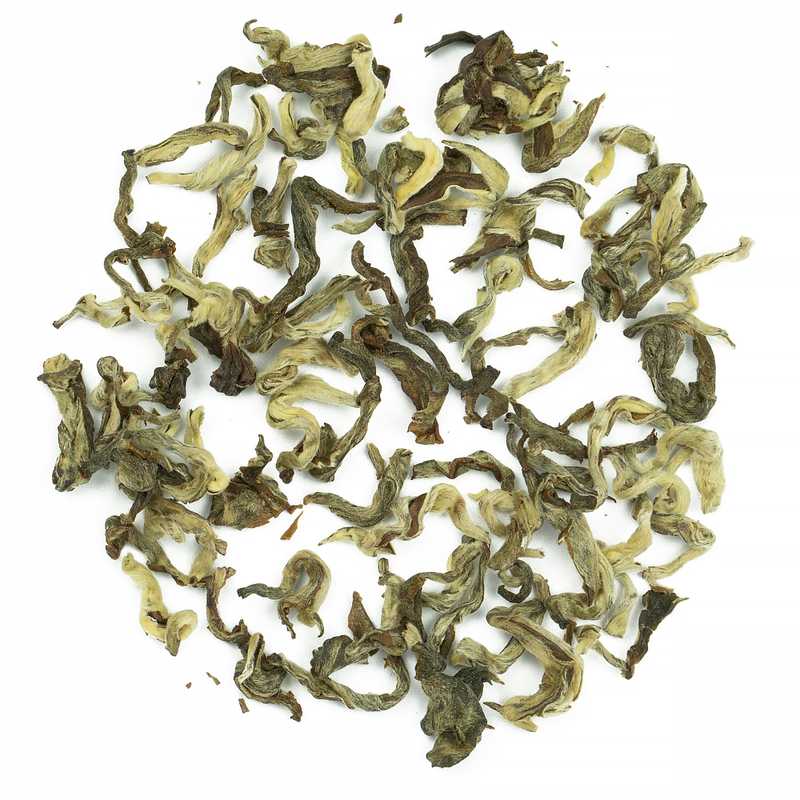
The delicate taste of this tea is so refreshing, brew it in a tea pot for a wonderful tasting tea. I tried it black & white, both are equally nice, brew weaker for black and stronger for white. Another great addition to the Finest Organic Tea Companies range.
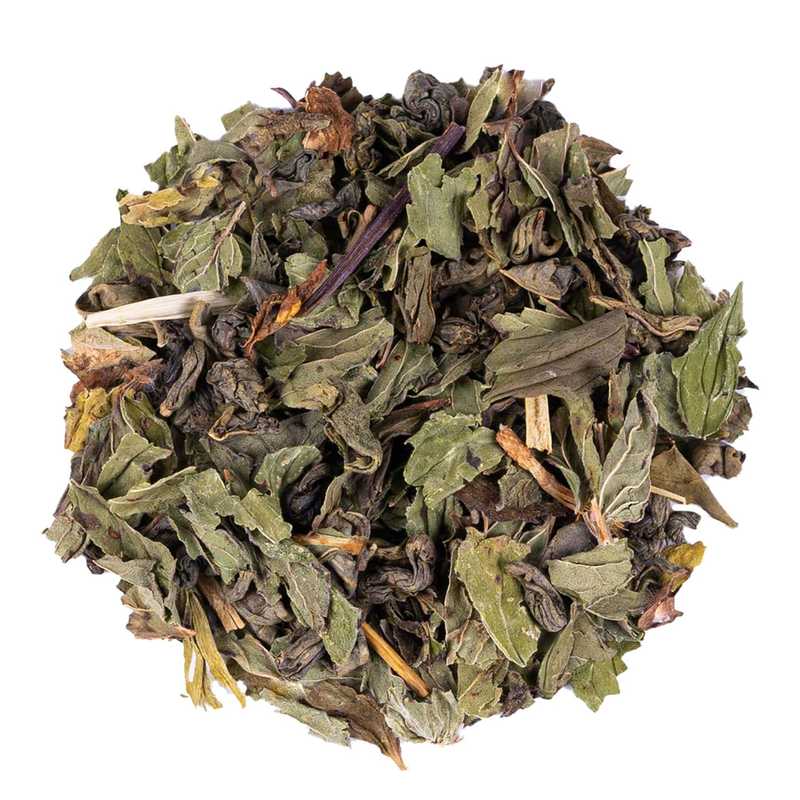
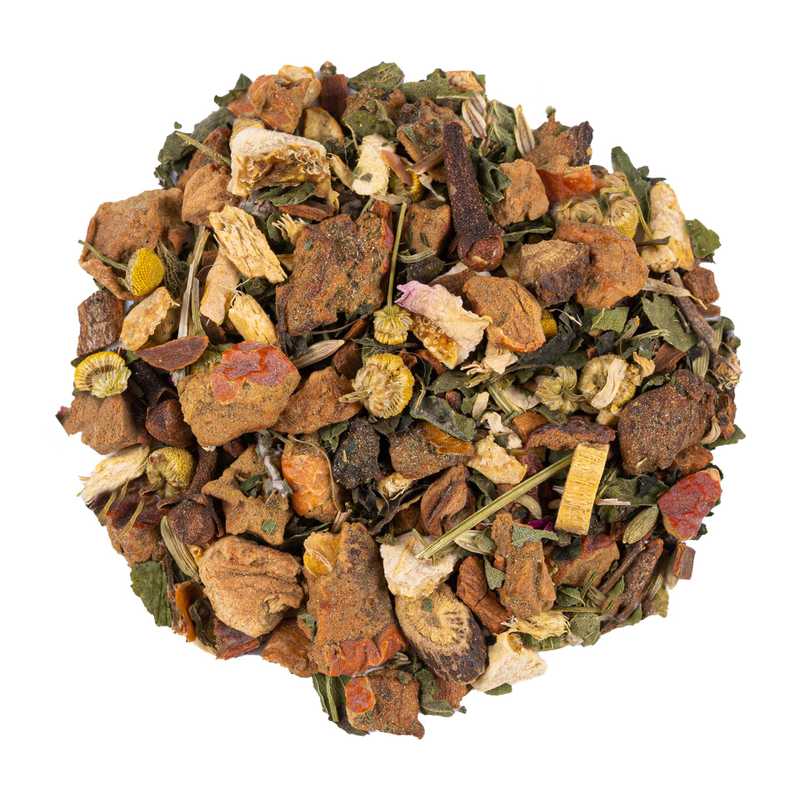
Lovely refreshing flavoured tea, so much better than supermarket peppermint tea bags, more of a subtle flavour.
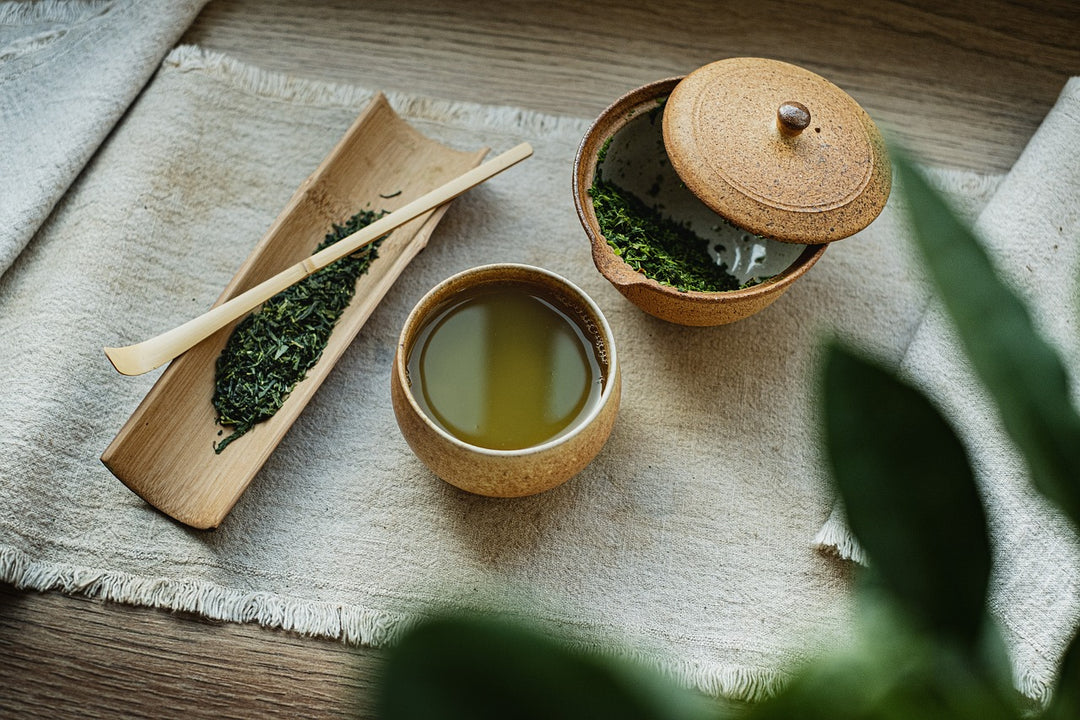
Lovely cup & infuser set, easy & perfect way for brewing tea.
I’ve ordered twice now from this company, I can’t tell you how delighted I am to have found them, I love a good tasting tea and their teas are absolutely gorgeous! The organic green tea is the best I’ve ever tasted, so delicate & flavoursome. The organic decaf Darjeeling tea takes decaf to another level. Brew it in a tea pot and it gives a refreshing, creamy tasting tea. I highly recommend them.
I tried Marrakesh Mint tea after reading good reviews about it and it certainly didn’t disappoint! It’s the freshest tea I’ve ever tasted, far better than anything you can buy in the supermarket. Fantastic service too from Hish and Lisa - I ordered on Thursday and it was delivered to my door on Friday. Will definitely order again, looking forward to trying some of their other blends.
Not only is the tea absolutely lovely, the service was amazing. I am local to the business and my order was delivered in person three hours after I had placed it on a Saturday morning.
I’ve been drinking green tea for over 20 years and this Organic Gunpowder tea is the best I’ve ever tasted. I only need to use about 4 pieces as when in the boiling water the full leaf unfolds and makes a rich satisfying drink, afterwards I add more boiling water and it makes another cup. I highly recommend The Finest Organic Tea Company.
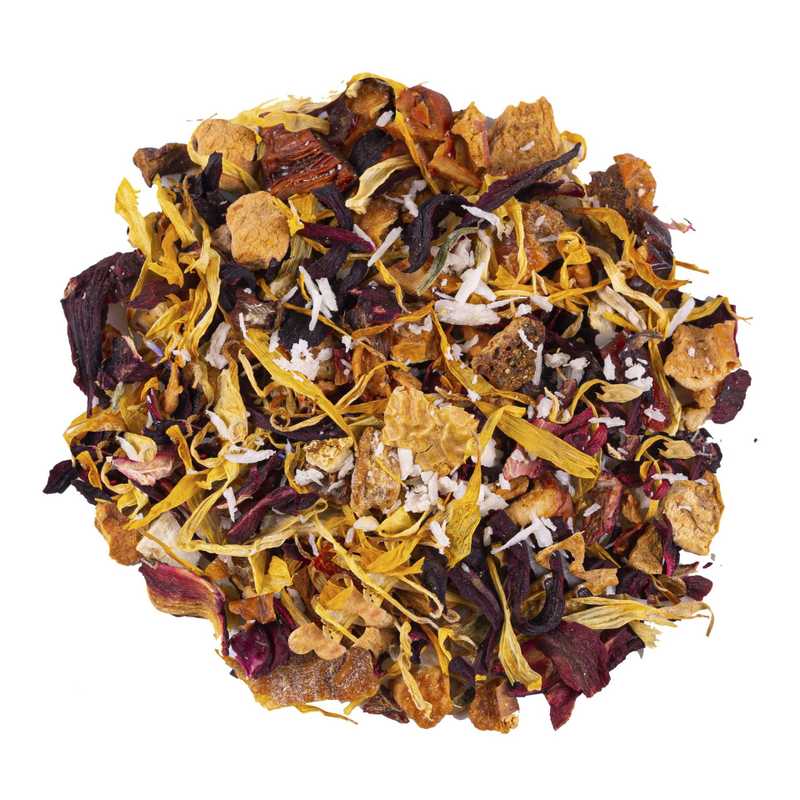
The slightly sweet fruity coconut flavor is perfect for when you have a sweet tooth craving in my view